Licensed #EASTGB744B1. Insured. Senior discounts available. Eastside Grab Bars is owned and operated by Mark Costello, and the business installs ADA-compliant handicap grab bars in homes across East King County for wheelchair users, people with limited mobility, and anyone who needs reliable support to move safely through their own home.
Handicap grab bars are not a luxury item. For many people, they are the difference between a safe transfer and a trip to the emergency room. Every install is treated that way. Residents of Issaquah, Bellevue, Redmond, Sammamish, Kirkland, Newcastle, and nearby can usually be on the schedule within a few days with the right bar, the right hardware, and the right placement for the person’s body.
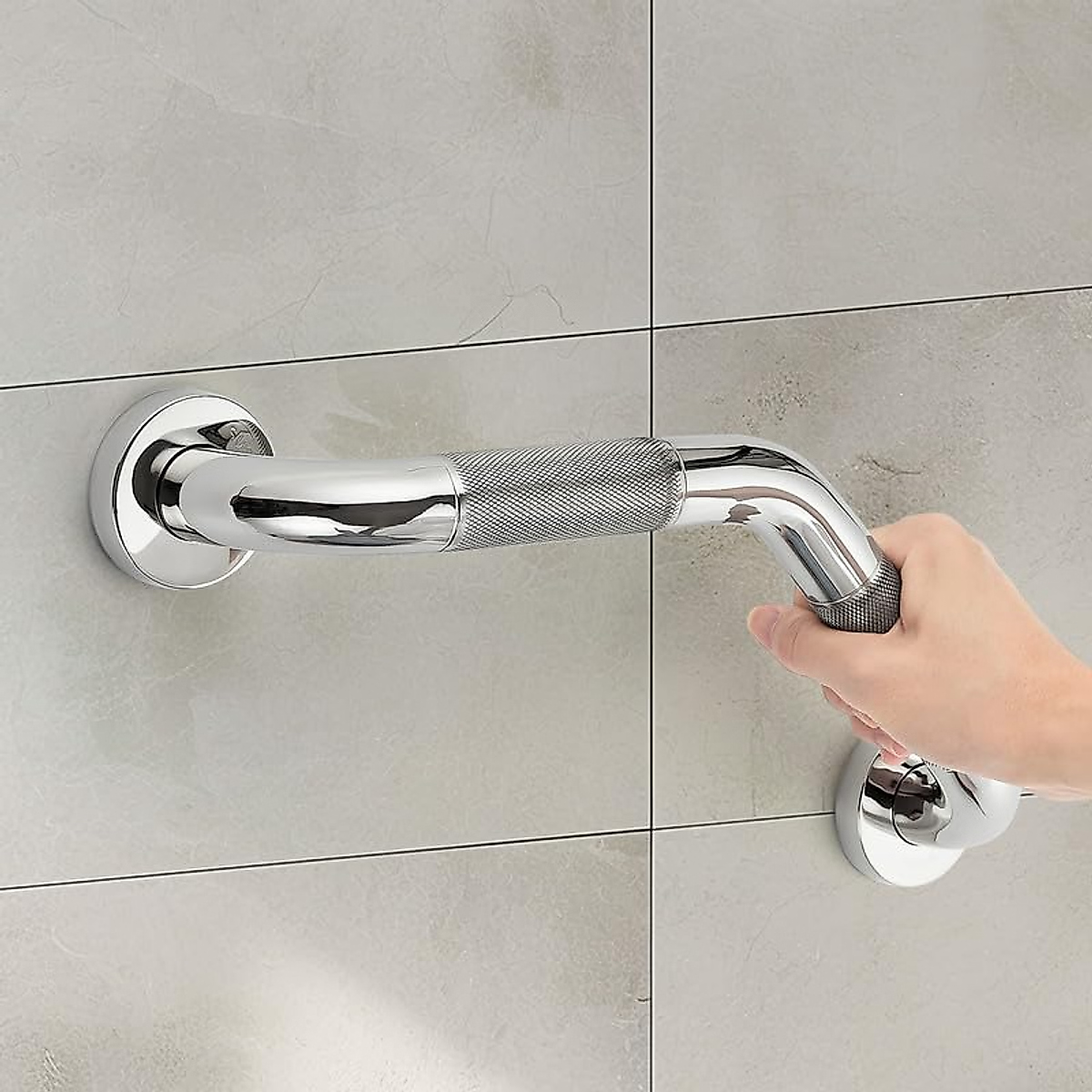
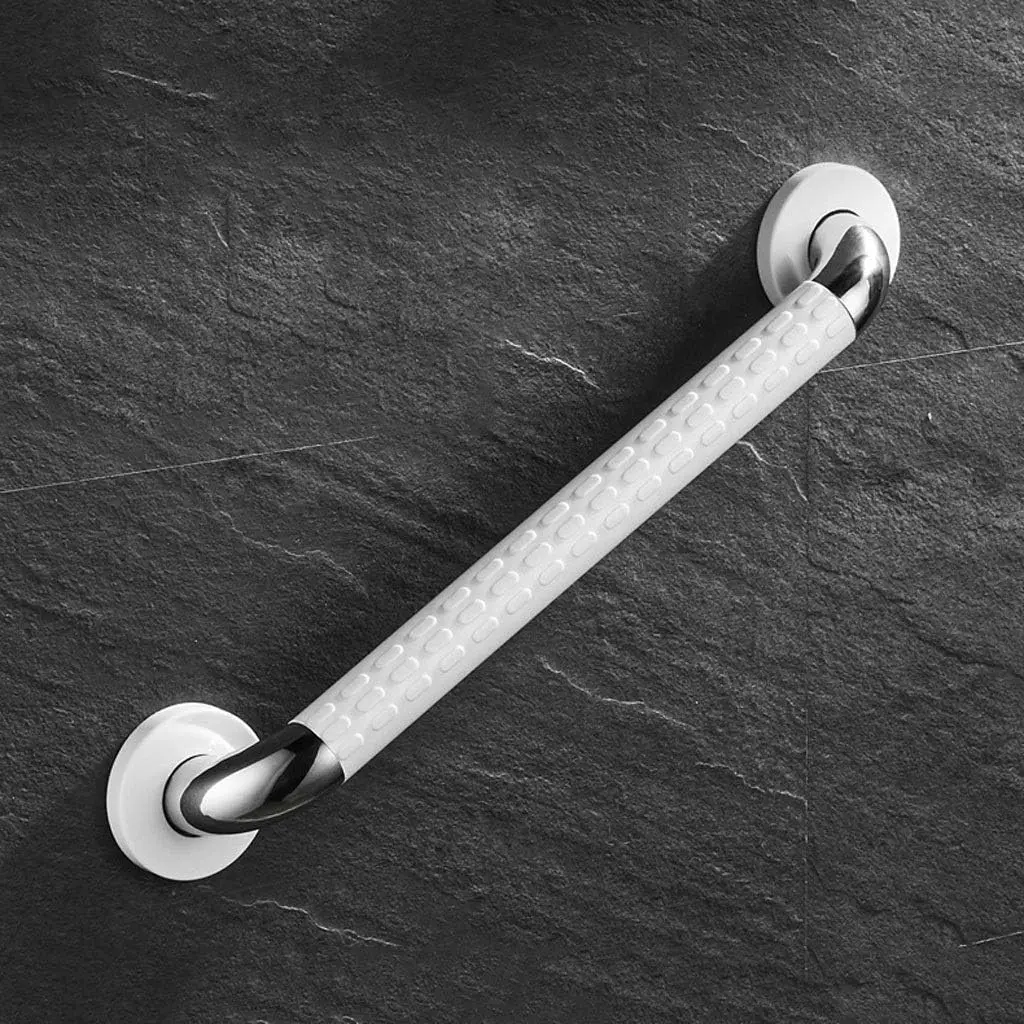
Handicap grab bars are built to a specific engineering standard. The Americans with Disabilities Act and the related ANSI A117.1 accessibility code set minimum requirements for diameter, length, wall clearance, mounting height, and load rating. A code-compliant bar holds at least 250 pounds of pull-down load in any direction, sits exactly 1.5 inches off the wall, and uses a gripping surface between 1.25 and 1.5 inches in diameter so a hand can wrap fully around it.
Those numbers are not arbitrary. They come from decades of research into how people with disabilities actually use grab bars during transfers. A bar that is too thick is hard to grip. A bar mounted too close to the wall traps the hand. A bar too short leaves no room to reposition a grip mid-transfer. Eastside Grab Bars installs bars that meet the standard, not bars that simply look like they do.
The code is important, but so is knowing when a home does not allow a textbook install. Older homes in Issaquah and Bellevue often have odd wall framing, shallow studs, or finish materials that fight the spec. Placement adapts so the bar is still safe and still holds full load, even when the wall layout is not ideal.
Every install follows the same careful sequence.
A call starts with a conversation about the person who will use the bars. A wheelchair transfer is a different install than a standing support bar. A recent stroke, a new amputation, a progressive condition, each calls for different placement. Ten to fifteen minutes on the phone covers the essentials.
An on-site visit follows. The actual transfer gets watched: where the hands land, where the body swings, what direction the weight pulls. Wall construction, stud locations, and code-compliant placement all get measured. A written quote arrives before anything is scheduled.
Each bar goes in to ADA and ANSI standards, anchored to studs or backed with heavy-duty toggle anchors rated for well over 250 pounds. Every bar is pressure-tested under real body weight before the install ends.
Before leaving, Mark walks through the actual transfer with the user or caregiver to confirm the bar is in the right spot. A follow-up a few weeks later checks real-world use, and a return visit is available if the placement needs adjusting.
Mark started Eastside Grab Bars after years of watching aging family members lose their footing at home. After retiring from the US Small Business Administration in Seattle in 2021, he built this business to do practical work that changes daily life for real people.
Mark holds the Aging in Place Home Safety Advisor designation through Age Safe America, the largest aging-in-place advocacy organization in the country. He also volunteers with Rebuilding Together Seattle, installing grab bars for low-income seniors and people with disabilities across King County. That volunteer work has covered hundreds of homes and shown how to install bars that last in every kind of wall construction East King County has.
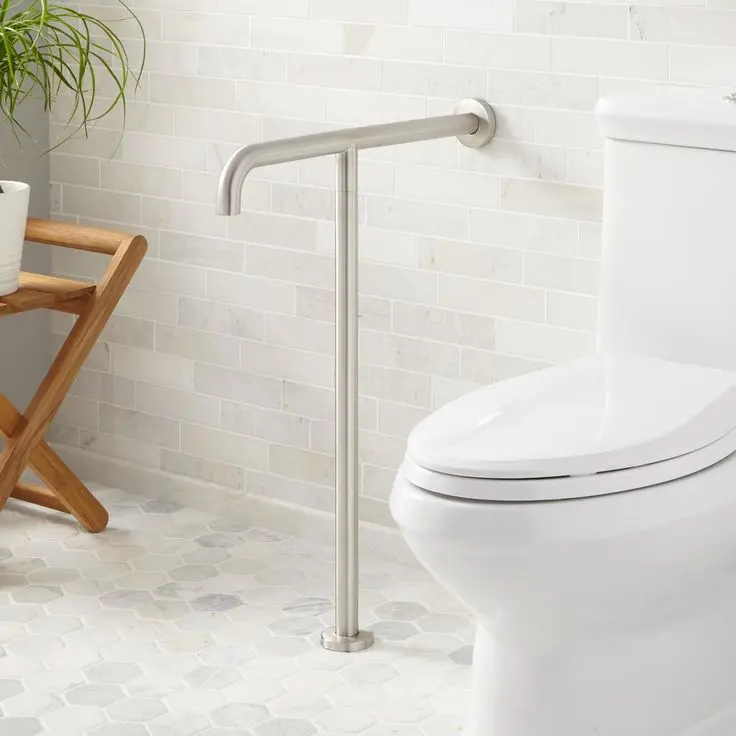
Yes. Every bar installed meets ADA and ANSI A117.1 specifications for diameter, length, mounting height, wall clearance, and load rating. Written confirmation of compliance is available for insurance claims, VA paperwork, or Medicaid waiver documentation.
Original Medicare usually does not cover grab bars as durable medical equipment. Some Medicare Advantage plans, Medicaid waivers, and VA programs do cover them, especially when an occupational therapist prescribes the install. Documentation to support a claim is available on request, but Eastside Grab Bars does not bill insurance directly.
Yes, and that coordination is welcome. An OT evaluation often identifies placement needs the installer would not catch alone. Eastside Grab Bars coordinates with OTs, physical therapists, caregivers, and case managers across King County so the install matches the care plan.
Call Mark at (425) 522-8663, or send a message through the contact form for a same-day response. Code-compliant handicap grab bars are often one morning of work away.
Senior discounts are available.