
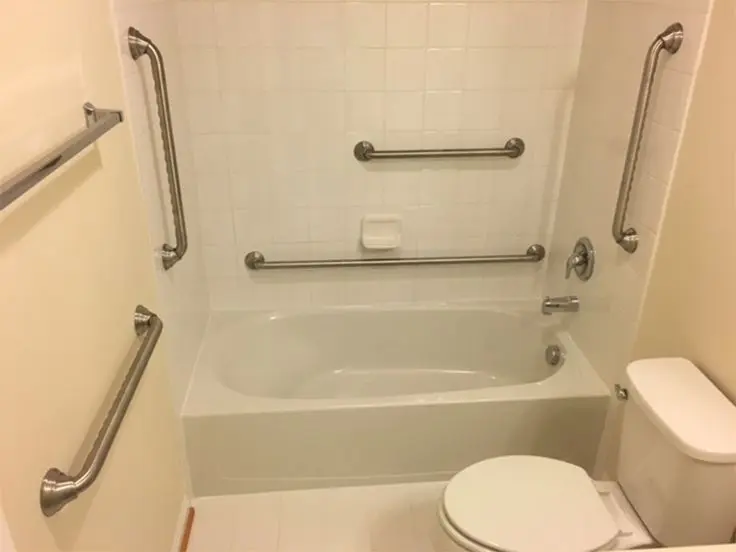
Bathrooms cause more slips and falls than any other room in the house, and it’s not even close. Wet floors, slick tile, and the constant bending and reaching that happens in there adds up to real risk, especially for older folks. The fix isn’t complicated. Well-placed bathroom grab bars Issaquah homes need can cut fall risk dramatically when they’re put in the right spots.
Here’s where they actually belong and why.
The Three Zones That Matter Most
Every bathroom has three high-risk zones: the shower or tub, the toilet area, and the path between them. If you cover those three with proper bars, you’ve handled the bulk of the fall danger.
Most homeowners start with one or two bars and end up adding more once they see how often they use them. It becomes second nature to reach for one, and the bar holds you steady without thinking about it.
Shower & Tub Placements
The shower is where most bathroom falls happen. Wet feet, slick surfaces, and shampoo in your eyes make it a slip waiting to happen.
Vertical Bar at the Entry
Put a vertical bar right at the entry point of the shower or tub, mounted between 32 and 38 inches off the floor at the bottom end. This is the bar you grab while stepping in or out, which is the single most dangerous moment in any bathroom.
The vertical shape works best here because you can grip it at different heights depending on whether you’re stepping up into a tub or stepping sideways into a walk-in shower.
Horizontal Bar on the Back Wall
Inside the shower, mount a horizontal bar along the back wall at about 34 inches high. This gives you something to hold while turning, washing your back, or tilting your head back to rinse your hair. Those motions throw off your balance more than people realize.
Angled Bar for Sitting Showers
If anyone in the house uses a shower seat or sits to bathe, an angled bar mounted at roughly 45 degrees works better than a flat horizontal one. It gives support going both up and down when you’re moving between sitting and standing.
Toilet Area Placements
Getting on and off the toilet is one of the trickiest moves for people with weak knees, bad hips, or balance issues. A grab bar here makes a huge difference.
Side Wall Bar
If the toilet sits next to a wall, mount a horizontal bar on that wall at about 33 to 36 inches off the floor. You’ll use this every single time you sit down and stand up. For most people it becomes the most-used bar in the house.
Fold-Up Bar for Open Spaces
When the toilet isn’t next to a wall, a fold-up bar attached to the wall behind the toilet is the better option. These flip up out of the way when not in use and lock down into position when you need support on both sides.
Sink & Vanity Area
This spot gets skipped a lot, but it matters. Standing at the sink to brush teeth, shave, or wash your face takes longer than people realize, and leaning forward into the mirror throws balance off.
Short Vertical Bar Nearby
A shorter vertical bar mounted on a side wall near the vanity gives you something to grab if you start to tip. It doesn’t need to be as long as the shower bars. Twelve to eighteen inches works fine.
Getting the Height Right
Most bars get installed between 33 and 36 inches above the floor, which works for the average adult. If the main user is taller or shorter than average, adjust. The bar should sit at about hip to waist height when you’re standing next to it. For people who use a wheelchair, lower placement around 32 to 34 inches usually works better.
Some installers do a quick height test before drilling by having the person stand in the actual spot and reach for an imaginary bar. Where their hand naturally lands is where the bar goes.
Common Placement Mistakes
A few mistakes show up over and over when people install bars without help.
Installing Only One Bar
One bar is better than zero, but most bathrooms need three or four to actually reduce fall risk. Covering only the shower leaves the toilet exposed.
Mounting at the Wrong Angle
Horizontal bars should be level, and vertical bars should be plumb. A bar that tilts even slightly feels wrong when you grab it under stress.
Skipping the Stud
Screws into drywall alone do not hold weight. Every bar needs to be anchored into studs or proper heavy-duty toggles. Skipping this is the number one cause of bars failing when someone really needs them.
Skipping Proper Anchoring
Any bar that is not anchored into the wall framing is a fall waiting to happen. Cheap mounting shortcuts feel solid on day one and pull free under real weight. Every bar in a bathroom needs to go into a stud or heavy-duty toggle hardware rated for the load.
Planning Ahead
If you’re renovating a bathroom or buying an older home, think about bar placement before the walls close up. Adding blocking (plywood behind the drywall) in key spots during renovation makes it easy to install bars later wherever you want them, without hunting for studs.
For homes already finished, a walk-through with someone who installs bathroom grab bars Issaquah residents rely on will show you the best spots based on how you actually move around your bathroom. Everyone’s needs are a little different, and good placement comes from watching how you use the space.